A well run Emergency situation Control Organisation does not happen by mishap. It takes planning, practice, and a leader who can make clear choices under tension. PUAFER006 Lead an Emergency Control Organisation is the Australian competency device made for that leader. If you are the person that should coordinate wardens, liaise with emergency situation services, and bring the problem of the final call on discharge or shelter in position, this program is written for you.
I have educated and evaluated wardens and chief wardens in offices, health centers, logistics websites, schools, and high rise domestic towers. The with line is straightforward. Emergencies really feel chaotic to the not really prepared, yet they end up being convenient when functions are clear, communications crisp, and site info is accurate. PUAFER006 develops those routines. This overview clarifies the course, where it sits together with PUAFER005, the useful expectations on primary wardens, and exactly how to examine whether your site is genuinely ready.
Where PUAFER006 Suits the Warden Pathway
Two units underpin most workplace warden structures:
- PUAFER005 Operate as part of an emergency control organisation covers the role of wardens and communications policemans. It concentrates on local area sweeps, basic risk evaluation, making use of passenger caution systems, and reporting to the principal warden. PUAFER006 Lead an emergency control organisation tips up to control. The emphasis shifts to taking care of the entire case, designating resources, interacting with emergency services, and making time important decisions with insufficient information.
If you are a flooring warden or area warden, the PUAFER005 course is your standard. If you are, or may work as, chief warden or replacement chief warden, PUAFER006 is the ideal degree. Several organisations mix both. Rotational leaders complete the PUAFER006 course, while the wider team completes PUAFER005 operate as part of an emergency control organisation, typically branded as a fire warden course or emergency warden training.
What the PUAFER006 Course Trains You to Do
The competency emphasis is practical. You will certainly plan, brief, lead, and close out emergency incidents according to AS 3745 Planning for emergency situations in facilities and your site's Emergency situation Plan.
Expect to cover:
- Command and control across the entire site, not simply a solitary floor Incident triage and category, translating cues right into decisions Communications technique on 2 method radios, phones, PABX, and the resident caution system Using the Emergency situation Control Organisation structure: chief warden, deputy, communications officer, wardens, and emergency treatment roles Liaison with fire, ambulance, and police, consisting of just how to turn over control, supply crucial information, and support their operations Occupant activity techniques, from partial staged discharges to shelter in place, consisting of wheelchair impaired planning Post occurrence debrief, incident reporting, and enhancement planning
Simulations are the heart of great chief warden training. Paper plans are vulnerable till worked out. The instructor must press you into conflicting information and time stress, then train the actions that keep control: short orders, closed loop interaction, and clean logs.
Chief Warden Obligations in Plain Terms
Titles differ throughout organisations: chief warden, chief emergency warden, chief fire warden. The core obligations do not. You possess preparedness and feedback for the center:
- Maintain the ECO. You make sure there suffice wardens on each floor and change, that call listings are current, and that the warden course documents are up to day. If your lineup has openings, you fill them with deputies or train more wardens. Keep the Emergency Strategy live. Plans degeneration when buildings change usage, fitouts change, or brand-new plant is mounted. You collaborate updates at least each year, and after any considerable adjustment. That includes evacuation diagrams, assembly locations, and flexibility impaired registers. Run drills that matter. 2 fire drills a year prevails in workplaces, with even more constant drills in complex facilities like health care. You make drills that check something brand-new each time: stairwell blockage, alternative assembly areas, or after hours response. Lead the occurrence. You turn on the ECO, pick the preliminary approach, coordinate wardens, and control traffic to emergency services. You keep a log, maintain comms brief and specialist, and you keep individuals safe. Close the loop. After any type of occasion or drill, you gather facts, compose the case record, and drive solutions. That might be a defective door magnet, a dead radio battery, or a policy that placed a service provider in a plant space without induction.
These duties assume authority. If management chief warden requirements has actually not given you the required to stop lifts, move owners, and call discharges without asking permission, you are established to fail. Deal with that first.
The Web link to PUAFER005 and Warden Training
A chief warden is just as efficient as their wardens. The PUAFER005 course builds the base: just how to sweep a location, just how to analyze small hazards, just how to utilize a WIP phone or fire indicator panel under direction, and how to report to the chief. Fire warden training requirements vary with threat, yet most workplaces refresh PUAFER005 every 2 years, and hold drills at least annually.
Good chief warden training thinks you understand what a warden can genuinely do. In a real discharge, a floor warden might clear 1,500 square metres in 4 to six mins if occupants coordinate, but that stretches when a lift entrance hall fills or an access card obstacle locks all of a sudden. Every chief https://riverdfhh653.image-perth.org/fire-warden-hat-colour-overview-determine-duties-at-a-glance warden I appreciate plans with that said realistic look in mind.

Colours, Identification, and Why They Matter
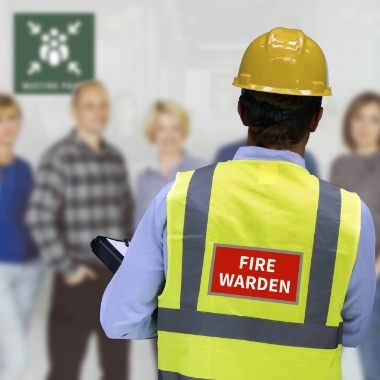
People still ask about fire warden hat colour and the chief warden hat colour. The convention is straightforward in several sites: red for wardens, white for the chief warden or chief emergency warden, and in some cases yellow for interactions officers. Some sectors use vests as opposed to helmets. If your group selects headgears, maintain them obtainable and labelled. See to it every person understands what colour helmet the chief warden wears, because in smoke or sound, colour and a clear vest tag beat task titles.
Do not get valuable about the equipment. Helmets and vests are devices to create exposure and authority. If you do not implement using them in drills, you will certainly not see them throughout a real evacuation when they are most needed.
Chief Warden Demands in the Workplace
Competency is greater than a certification. Employers are responsible for making certain the person in the primary function can carry out. That usually means:
- Completion of a PUAFER006 course from a reputable RTO, refreshed every two to three years or quicker if the site changes significantly Familiarity with the site Emergency situation Strategy, flooring warden network, and building systems: the fire sign panel, automatic fire detection and alarm system, owner warning system, WIP phones, stairwells, fire isolated passages, and door launch systems Enough sensible exercises to construct radar. Tabletop walk throughs and live drills are both called for. Your expertise grows when you manage uncertainties like a disabled lift or a dud accompanying a real clinical emergency
Some sectors include history checks or clinical health and fitness requirements. If your site includes dangerous chemicals, an air travel safety and security zone, or crucial healthcare, expect more work environment details chief warden requirements layered on top of the training.
Decision Making Under Pressure
The toughest component of the PUAFER006 lead an emergency control organisation role is triage. Alarm systems are binary. Reality is not.
Consider a 3 floor office where a smoke detector triggers in the cellar parking area at 10:12 a.m. Safety confirms no noticeable smoke at ground level. The fire indicator panel reveals Zone 7 in alarm system. Parking area air flow has turned on. A specialist was hot functioning an hour ago in a riser. You have alternatives. You can organize an alert tone on all floorings and explore, or go straight to discharge. Both are defensible. What matters is that you verbalize your rationale, act decisively, and change program if new details arrives. If the wardens report smoke odor at the first flooring stairs, you escalate. If the parking lot warden finds a cars and truck with a scorched alternator and no energetic fire, you can reset systems and stand down.
Good chief fire warden training forces this option consistently. With practice, you learn to anchor on your Emergency situation Plan, then adjust. You learn to keep comms short: "Degree 1 warden, report stairwell problems," instead of open questions. You find out to establish a speed, normally in two minute cycles, where you update, check safety and security critical points, and revise orders.
Communication Discipline
Radios are like arteries. Block them and the ECO loses oxygen. PUAFER006 training courses demand message framework. We instruct closed loophole: sender offers a guideline, receiver repeats the bottom lines, sender validates. It feels slow when you are calm, and it stops pricey errors when you are not. Maintain transmissions short, stay clear of babble, and utilize plain language. If your group insists on code words, maintain the list tiny and train it until automatic.
The interactions officer setting exists to secure the chief warden's headspace. In a large incident, the comms police officer manages the network, prioritises messages, and drip feeds the principal with the fundamentals. That frees the chief to assume and decide.
The Most Usual Failure Points I See
It is very easy to infatuate on unusual, high drama events. In practice, the exact same few problems weaken response across many work environments:
- Keys and access. Door control is usually neglected. Wardens can not sweep if staircase doors lock behind them and their swipe does not hold open. Audit your access controls and technique opening fire doors safely throughout drills. Out of date layouts. Somebody transforms a fitout, removes a wall surface, or changes a server space. The evacuation representation stays the exact same. Throughout a smoke occasion, that error wastes minutes. Have a modification control activate that flags layout updates. Radio batteries. A dead radio is a brick. Construct a billing lineup, tag radios by role, and test radios at the beginning of each day in 24/7 sites. Mobility preparation. There is often a respectful list of wheelchair impaired occupants, then no real plan for how to help them down 2 flights without lifts. Do not wait. Method relocations to a secure refuge and acquisition emptying chairs where needed. Complacency after duds. A website that has actually had 4 duds in 6 months will certainly be slower to react on the 5th. The chief warden requires to reset expectations and maintain drills realistic. Where problem alarms repeat, deal with the reason with upkeep or redesign.
Resolve these and you eliminate the majority of the friction that causes late emptyings and muddled handovers.
What the Analysis Looks Like
The PUAFER006 course analysis typically involves a written element and a practical analysis. The functional component must simulate at the very least 2 different emergency situation circumstances, such as an emergency alarm with staged emptying and a harmful spill with partial seclusion and sanctuary in position. You will be evaluated on:
- Following the Emergency Strategy and AS 3745 framework Establishing command, instruction wardens, and utilizing the interactions loop Making timely decisions, consisting of when to leave, hold, or escalate Liaising with emergency solutions, consisting of a structured handover: what happened, where, what has actually been done, who is missing out on, and what systems remain in operation Post event actions: debrief, reporting, and corrective actions
If the evaluation seems like a scripted box ticking workout, ask your RTO for a more sensible scenario. You find out more from one unpleasant, practical drill than three disinfected ones.
How Commonly to Refresh
Skills fade without use. Most offices set up chief warden training every 2 years, with an inner ability inspect every year. Websites with high turn over or complex threats go yearly. Tie refresher courses to your drill cycle. If you change alarm panels, add a 2nd stairwell pressurisation system, or update your resident advising system, publication a short refresher course for the chief warden and interactions police officer to find out the panel's reasoning prior to the next drill.
Building a Group, Not a Single Factor of Failure
A chief warden is the conductor, yet the band matters extra. Develop depth. Train a replacement chief warden per shift, plus at the very least one more efficient in tipping up. In multi lessee buildings, coordinate with the building's base structure chief warden and concur that leads when. Method handovers in between tenant and base structure throughout drills. Clear up setting up areas that do not encounter various other lessees' flow.
Small sites frequently assume the office manager will lead throughout the day. Then a medical emergency situation happens at 6:30 a.m. when professionals are the only passengers. Create an easy after hours method. Give safety and security or cleansing staff a method to turn on the ECO and get a senior get in touch with on the line rapidly. If your security system car dials a surveillance centre, guarantee they have exact call checklists, not names 2 years out of date.
Fire Warden Needs in the Workplace
Beyond the primary role, make the warden network strong. Fire warden requirements vary, but a pragmatic strategy is to aim for one warden per 20 to 30 passengers, even more where passengers require support. Make certain wardens finish the warden course PUAFER005, revitalize every two years, and participate in drills. Give them neighborhood knowledge. Stroll them through plant rooms, roofing system access, fire pipe reel places, manifold areas, and WIP phone factors. If they have actually never seen the fire indicator panel, they will certainly not have the ability to translate it when asked to report a zone in alarm.
Wardens require soft skills also. The hardest part of evacuation is not opening doors. It is convincing a stubborn partner to leave their desk, or relaxing an anxious site visitor. In training, role play those communications. A few sentences claimed with confidence, coupled with a red vest, can relocate a crowd.
The Duty of Chief Fire Warden Course Include Ons
Many RTOs package PUAFER006 as chief warden training or a chief fire warden course. The very best include worth with website particular material: your structure systems, your flooring representations, your assembly areas. They need to likewise cover chief fire warden responsibilities in lawful context, so you know what regulatory authorities expect and where monitoring's obligations sit. If your site has high risk dangers, ask the provider to consist of situation injects relevant to you, such as gas discovery alarm systems, ammonia plant journeys, or lithium battery fires in storage.
A Story from a Real Drill
In a circulation centre, we ran an organized emptying throughout an electrical storm. Not ideal weather for a drill, yet storms do not book visits. The chief warden chosen to keep the workplace occupants inside at a sanctuary point and evacuated the storehouse to an alternate setting up area under cover. 2 minutes after the sharp tone, a forklift operator reported a solid scent of burning near the battery billing room. That altered the plan. The chief intensified to complete evacuation, and the interactions officer called emergency solutions. When the fire team arrived they found a failed battery charger with minor smoke damage.
Two lessons stood out. Initially, the principal's adaptable approach valued the weather condition however switched over when the risk altered. Second, the forklift operator reported since he had actually been briefed the day before to inform wardens anything that did not feel right. That briefing became part of the chief warden's prep work, not an accident.
Integrating Medical and Safety Events
PUAFER006 is not just concerning fire. Chief warden obligations cross over with first aiders and security during clinical events, hazards, or trespasser events. Choose early who leads which stream. In many sites, the chief warden manages evacuation and sanctuary decisions while the first aider controls patient treatment. For protection hazards, your Emergency Strategy ought to define when to enter into lockdown, when to leave away from a danger, and just how to communicate without creating panic. Exercise those decisions with short tabletop workouts. You do not desire the very first time you pick in between lockdown and discharge to be throughout an actual threat.
What Great Resembles on the Day
When an auditor or a fire team turns up after an event, they discover the very same markers of capability:
- The ECO turns on within secs, not minutes Radios work and messages are short and closed loop The fire indication panel is recognized, areas converted into places, and a jogger sent out to verify Evacuation diagrams match the structure, and assembly area controllers can make up people and report gaps A neat handover happens at the door for emergency situation services, covering what happened, what you have actually done, and any specific hazards such as gas containers, battery areas, or medical oxygen
None of that shows up by chance. It is the output of a chief warden who took the PUAFER006 course seriously and built a regimen of drills, briefings, and maintenance.
Selecting a PUAFER006 Course Provider
Look for an RTO that will educate at your website where possible, not just in a classroom. Ask just how they customize scenarios to your structure systems. Verify they assess practical leadership, not only composed responses. If you need both warden training and chief warden training, see if they can run PUAFER005 and PUAFER006 back to back with a joint drill. You maintain energy when the whole ECO discovers with each other, then splits into roles.
Check trainer experience. An instructor that has stood in front of a fire indicator panel at 2 a.m. with a beeping structure and a grouchy structure supervisor will educate different details than someone who has only review the criterion. That lived experience shows up in the little pointers: just how to hold a radio so the antenna removes your body, how to silence a secondary buzzer without resetting the panel, just how to talk with a lessee that declares their conference can not be interrupted.
Training Regularity and Record Keeping
Keep training documents tidy. Maintain a matrix of wardens, days for PUAFER005 and PUAFER006, and drill involvement. Add a column for radio checks and tools examinations. If you revolve staff, book brand-new beginners right into the following warden course and set them with a knowledgeable warden for their first drill. After each drill, document presence, timing from alarm to setting up, and any kind of hold-ups. This pattern data tells you whether you are improving.
Bridging the Void Between Paper and Practice
Many Emergency situation Plans look polished and rest untouched. Make yours useful. Distill six to 8 web pages right into a fast action card for the chief warden and wardens: activation actions, emptying alternatives, crucial calls, and the handover design template. Shop extra cards with the headgears or vests. In a tense event, no person wants to flip through 60 pages of policy.
Pair the plan with basic tactile checks. Stroll the stairs twice a year. Examine the WIP phones. Open the FIP, read the areas, and validate you can analyze the map. Bring first aiders right into a minimum of one drill yearly so they understand just how to work within the ECO when a client requires to be moved.
Final Suggestions for New Principal Wardens
Confidence comes from reps. Do the PUAFER006 course, then ask for even more circumstances. Welcome your deputy and comms policeman to a short table top on a quiet morning. Start with a 10 minute drill that just tests radios and setting up. Construct to a full discharge with an infused difficulty, like an obstructed stairwell. Maintain the debrief truthful and short. Take care of one thing each time. After a couple of cycles your team will relocate with purpose.
The task has weight. You hold the safety and security of lots of people for the very first mins of an emergency situation. With the right preparation and a regimented Emergency situation Control Organisation, those minutes will certainly be enough. PUAFER006 offers you the framework. Your management turns it right into action.
Take your leadership in workplace safety to the next level with the nationally recognised PUAFER006 Chief Warden Training. Designed for Chief and Deputy Fire Wardens, this face-to-face 3-hour course teaches critical skills: coordinating evacuations, leading a warden team, making decisions under pressure, and liaising with emergency services. Course cost is generally AUD $130 per person for public sessions. Held in multiple locations including Brisbane CBD (Queen Street), North Hobart, Adelaide, and more across Queensland such as Gold Coast, Sunshine Coast, Toowoomba, Cairns, Ipswich, Logan, Chermside, etc.
If you’ve been appointed as a Chief or Deputy Fire Warden at your workplace, the PUAFER006 – Chief Warden Training is designed to give you the confidence and skills to take charge when it matters most. This nationally accredited course goes beyond the basics of emergency response, teaching you how to coordinate evacuations, lead and direct your warden team, make quick decisions under pressure, and effectively communicate with emergency services. Delivered face-to-face in just 3 hours, the training is practical, engaging, and focused on real-world workplace scenarios. You’ll walk away knowing exactly what to do when an emergency unfolds—and you’ll receive your certificate the same day you complete the course. With training available across Australia—including Brisbane CBD (Queen Street), North Hobart, Adelaide, Gold Coast, Sunshine Coast, Toowoomba, Cairns, Ipswich, Logan, Chermside and more—it’s easy to find a location near you. At just $130 per person, this course is an affordable way to make sure your workplace is compliant with safety requirements while also giving you peace of mind that you can step up and lead when it counts.